August in southern Europe is not a hotter version of August in Wales. The afternoon is the easy part — you sit in shade, you drink, you do nothing until six. What nobody packs for is one o'clock in the morning, in a tent that spent nine hours absorbing Andalusian sun, in a place where the temperature has not been below twenty-five degrees since Tuesday. Heat is a night-time problem disguised as a daytime one.
The failure mode
Name the thing that would actually end the trip, then pack backwards from the night. In heat the failure is sleep. One bad night is a story; two is an endurance event, and by the third nobody is enjoying the holiday they paid for. Children are worse at heat than adults and considerably worse at losing sleep to it, which turns a personal discomfort into a family-wide problem by about Wednesday.
The numbers make the case better than adjectives do. Seville in August has an average maximum of 35.5 °C and an average minimum of 20.4 °C — the minimum being the interesting figure, because it means a normal Andalusian night does not go below twenty at all. Spanish forecasters have a whole vocabulary for this. A noche tropical is a night whose minimum does not fall below 20 °C; a noche tórrida stays above 25 °C; and noche infernal, which is unofficial and increasingly useful, stays above 30 °C. On the Spanish Mediterranean coast the count of tropical nights has risen from an average of twenty to thirty a year in the 1980s to fifty or sixty now, with a sea holding 27–28 °C in August behaving as a radiator that runs all night.
Sleep quality falls away sharply above about 24 °C, and the commonly cited optimum is 16–19 °C. A normal August night in Andalusia sits above the threshold from dusk to dawn, every night, for a fortnight.
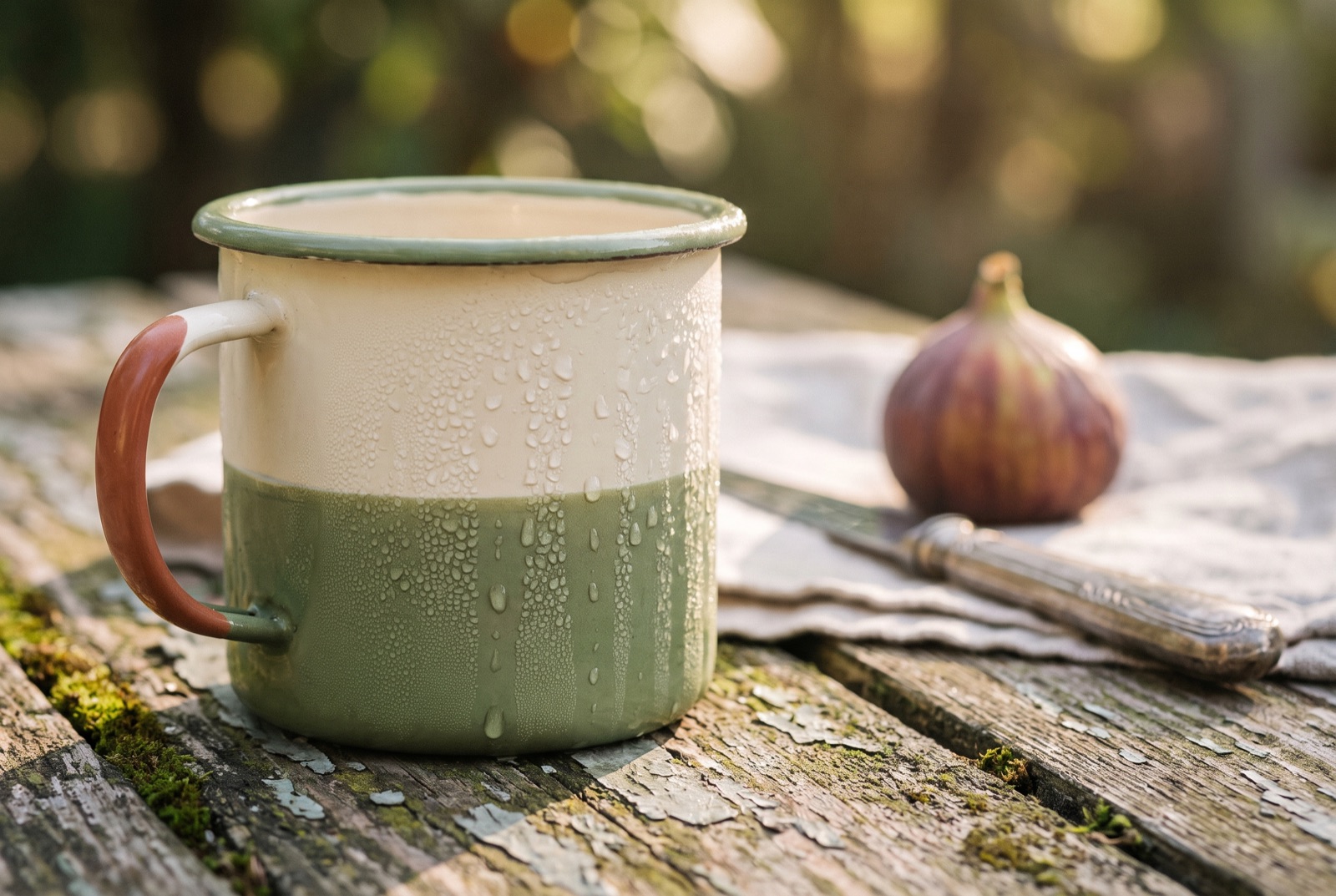
Each article in this series has a line that must not be crossed. In rain it is the wet/dry line; in cold it is the vapour line. In heat it is the shade line — the edge of the shadow, which moves all day, and which you pitch against rather than against the view.
Choosing the pitch: shade has a timetable
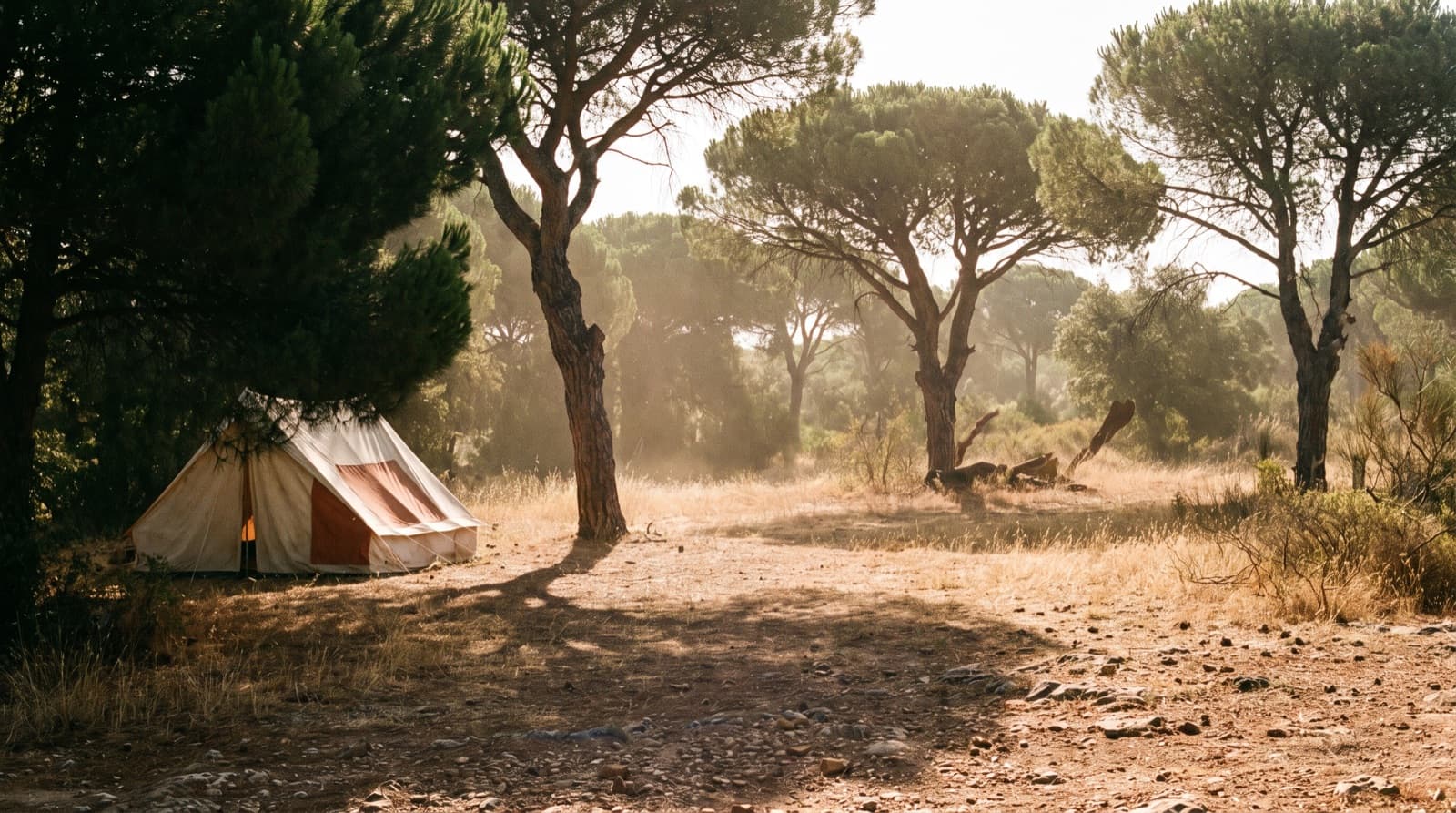
Shade is not a place. It is a moving object, and the pitch that is beautifully shaded at four in the afternoon when you arrive may be in full sun by nine the next morning. That is the mistake, and it is close to universal, because everybody chooses a pitch in the afternoon.
The rule is short: pick for morning shade over afternoon shade. You can be somewhere else in the afternoon — a river, a bar, a supermarket with air conditioning. You cannot be somewhere else at seven in the morning, and morning sun is what turns a tent into an oven that stays hot until evening. So the ten-minute survey on arrival looks east rather than west: mature trees on the eastern side, the prevailing breeze, the slope, and any gravel or tarmac nearby that will absorb all day and radiate all night. Distance to the washblock matters more at 35 °C than at 12 °C, for reasons obvious by the fourth trip for water.
The physics justifies the fuss. In a 2023 study in Case Studies in Thermal Engineering, a tent's top surface reached 62 °C under 600 W/m² of solar radiation, and — the useful finding — wind broke up the temperature stratification inside, reducing the mean internal temperature by roughly 10 °C. Shade and moving air are not comforts. They are the two variables that do the work.
The tent that vents, and the one that does not
The single most useful distinction in hot-weather kit is between a tent with a mesh inner and a fly you can lift, and a sealed polyester family tent designed for a British summer. The second kind is very good at what it was built for and actively dangerous at 38 °C.
What to look for: full mesh doors rather than mesh panels, high and low vents so that air moves through rather than sitting in a layer against the roof, a flysheet that can be rolled back or pitched high off the ground, and the option to sleep in the inner alone where the site and the insects allow it. Baked August ground will not take a standard peg, which is a peg question and therefore dealt with properly in packing for wind.
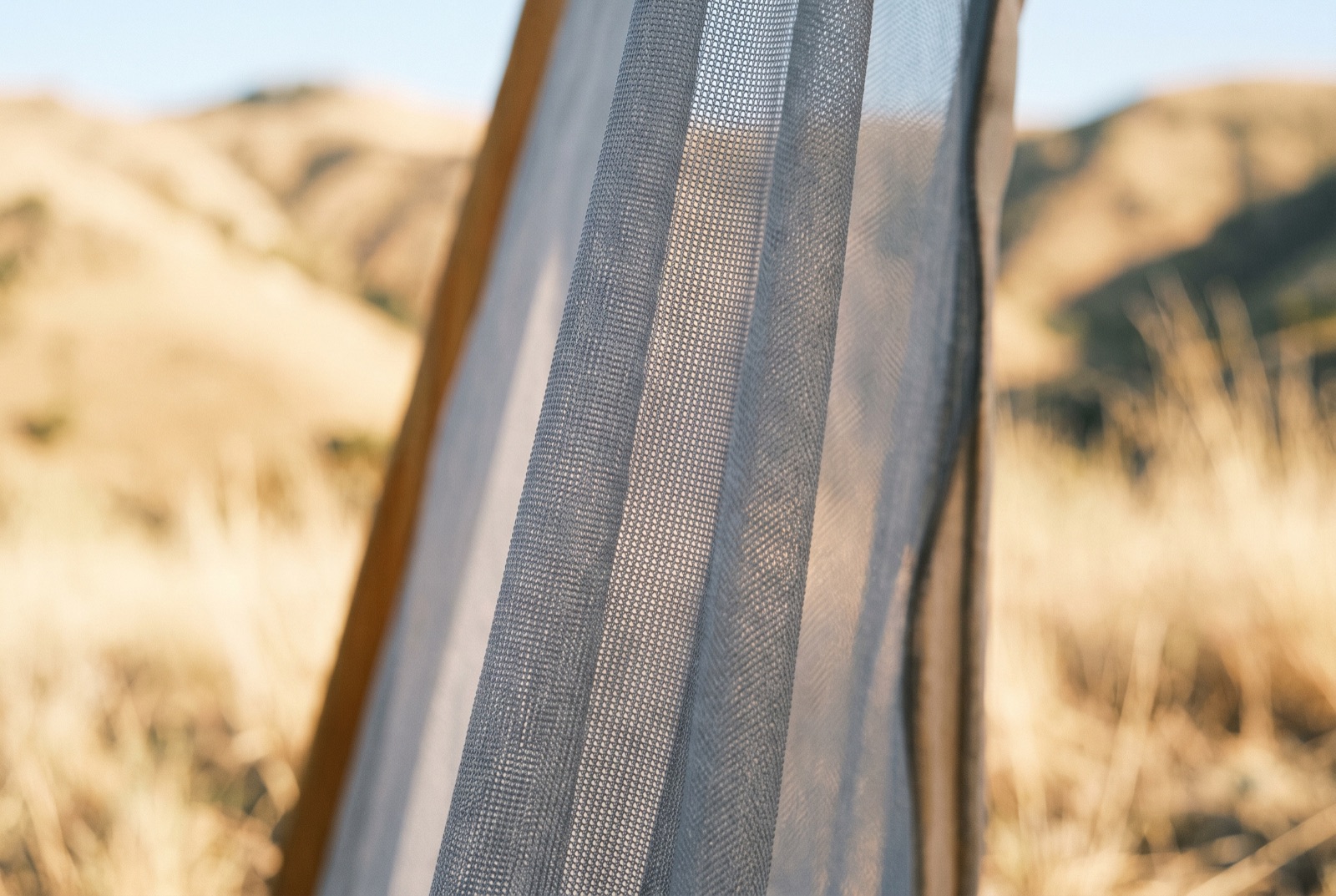
Blackout linings deserve an honest hearing. They solve a real problem — children waking at half past five because the tent is already bright — and they create another, because a dark lining absorbs heat and holds it. If your problem is early waking, they are worth it. If your problem is a tent that never cools, they are the opposite of what you need. There is no configuration that solves both.
The kit that earns its space is short: a rechargeable fan, a sarong or a thin cotton sheet in place of a sleeping bag, and a liner. In heat the whole sleeping system inverts — the bag becomes a sheet, the mat becomes something to keep you off warm ground rather than cold — which turns everything in packing for cold upside down.
Water, salt and the day's shape
The baseline is more modest than people assume. EFSA's adequate total water intake is 2.0 litres a day for women and 2.5 for men in moderate conditions, of which around a fifth comes from food. Heat rewrites that arithmetic completely: sweat rates commonly run between half a litre and two litres an hour when you are working in it, which is a rate no amount of sensible sipping keeps up with once you are behind.
Salt is the part people miss. Sweat carries meaningful sodium — typically 20–80 mmol per litre — and the fix is food rather than a shelf of sachets: olives, anchovies, crisps, tinned fish, all of which happen to be what the local shop sells. Acclimatisation does some of the work for you, cutting sweat sodium by roughly 20 mmol/L over a week or so, which is one reason the second week of a fortnight feels so much easier than the first.
Then rearrange the day instead of fighting it. Walk before nine. Do nothing at all between noon and five. Eat at nine in the evening like everyone else in the country, which is not a cultural quirk but a thermal strategy. And know the line between heat exhaustion and heatstroke: heat exhaustion should resolve within thirty minutes of getting somewhere cool and taking fluids, and if it does not, or there are signs of heatstroke, it is a 999 call.
Sun and insects
The NHS position is SPF 30 or higher with at least four-star UVA protection, and shade between 11am and 3pm. The campsite-specific part is that you are outdoors for sixteen hours a day rather than two, so the exposure arithmetic of a beach holiday does not apply — the damage is done in the accumulated hours between the deliberate ones, walking to the shop, cooking, washing up, standing about. A hat does work sunscreen cannot, and reapplying after swimming is not optional. The bottle that has been in the car since 2023 is not a plan.
You are outdoors for sixteen hours a day, not two. The sun you have to plan for is the sun you were not thinking about.
Insects divide into two problems that want different behaviour. For mosquitoes, UK travel-health guidance is unusually specific: 50% DEET is the first choice, and there is no further increase in duration of protection above that concentration, so the stronger-sounding bottle buys nothing. Mesh, timing and covering up beat chemistry in any case — dawn and dusk are when it matters. Ticks are the other problem, and they are a legs-and-checking problem rather than a spray problem: long trousers in long grass, and a look over everyone before bed.
Food without a fridge
The legal framework is a useful yardstick even when nobody is inspecting you. In England, Wales and Northern Ireland chilled food must be held at 8 °C or below, and may sit above that for a maximum of four hours. Hold that number in your head at a campsite at 35 °C and the implications are unforgiving.
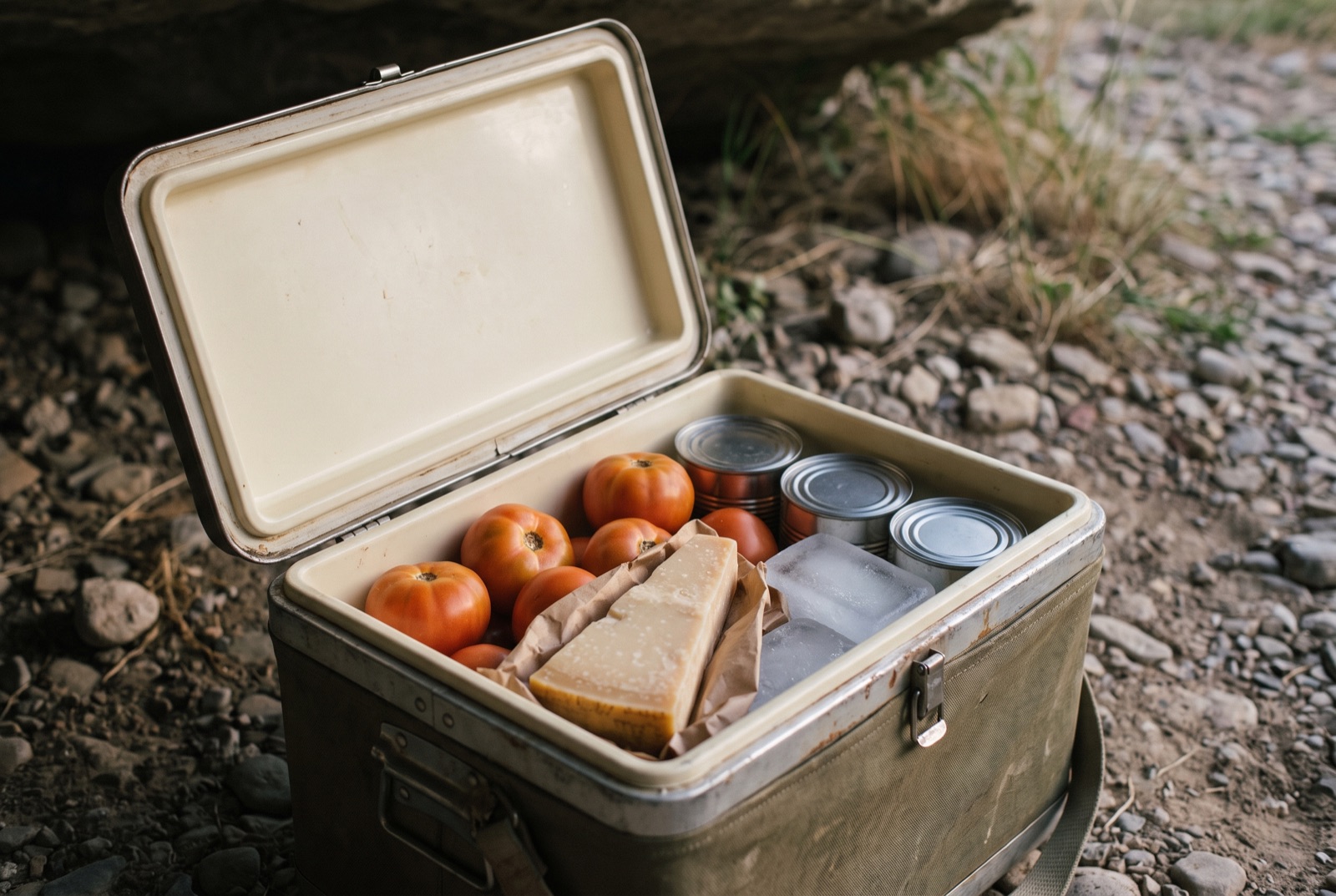
In practice: ice packs frozen solid before you leave rather than the night before, the box in shade and never in the car, opened as rarely as possible, and a thermometer inside it that costs less than the food it is protecting. Then stop trying to refrigerate. Shop like the people who live there — bread, tomatoes, hard cheese, cured meat, tinned fish, fruit — and buy dinner on the day you eat it, which is what the daily market is for. Raw chicken, mince and prepared shellfish do not belong in a cool box in August. Not for four hours, not for one.
Sleeping when it doesn't cool
The evening routine starts earlier than you think. Open everything the moment the sun comes off the tent, not at bedtime — by bedtime the fabric has been radiating inwards for hours and you are trying to empty a bath with the tap running. Roll the fly back if the forecast allows, and if it does not, that is a rain problem and packing for rain covers what a Mediterranean thunderstorm asks of you.
Then the small things that genuinely work. Damp cotton rather than dry. A wet flannel at the neck and the wrists, where the blood runs close to the surface. A fan aimed across the tent rather than at a person, because moving the whole volume of air beats cooling one face. And an honest acceptance that you will sleep less than at home, which is an argument for starting later rather than for trying harder.
Children and dogs are both worse at this than you are, and neither will tell you in time. A dog in a tent in August is a hazard rather than an inconvenience, and the dog article covers the rest of it properly. The single best structural answer to heat, though, is water you can walk to before breakfast, which is a whole category of place in itself.
None of this is somebody else's subject any more. UKHSA issued amber heat-health alerts for London, the South East, East of England and the East Midlands covering 3 to 5 August 2026, with yellow alerts elsewhere. The same rules apply on a Cornish clifftop as in the Alentejo. The difference is duration, not kind.