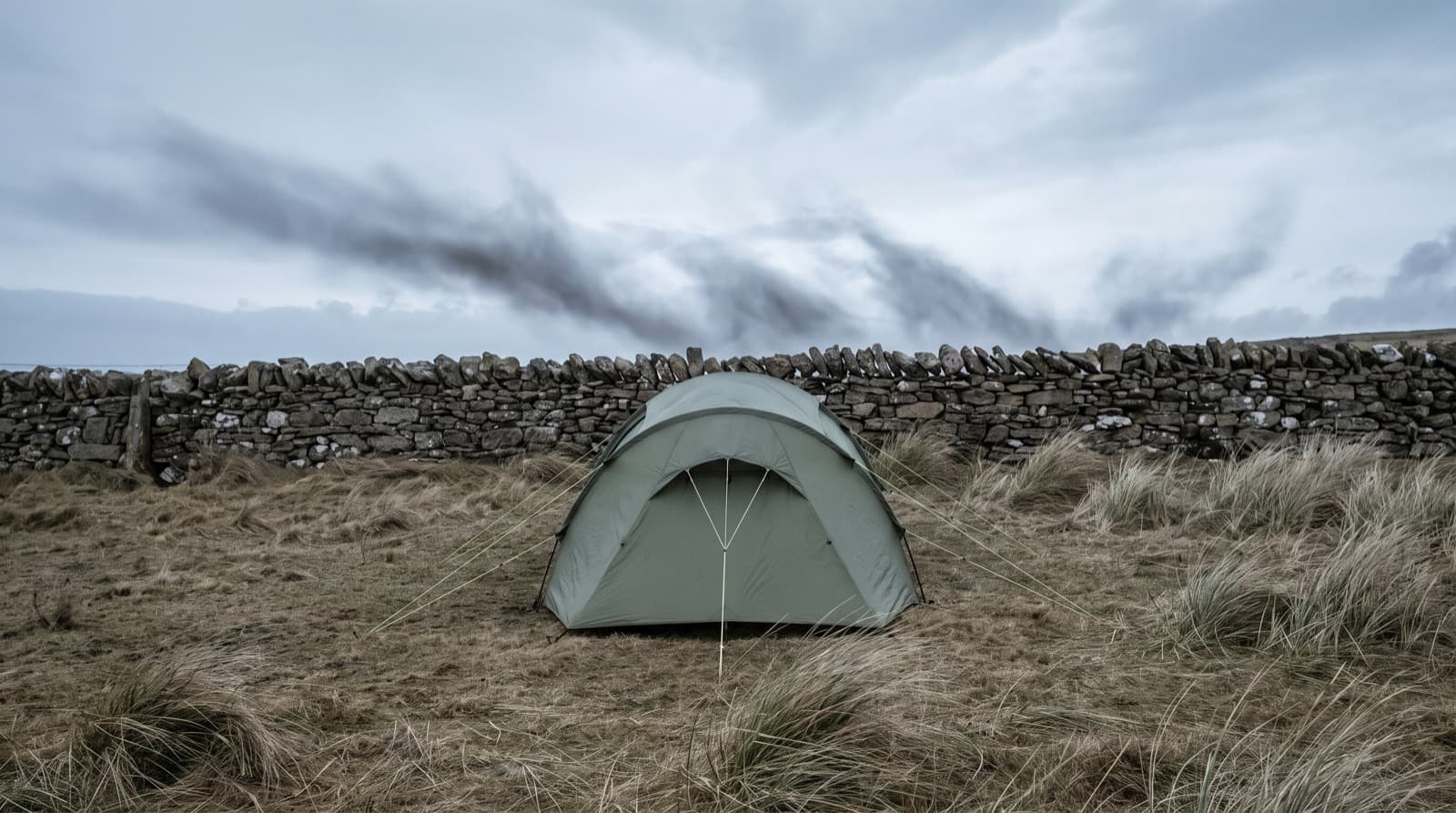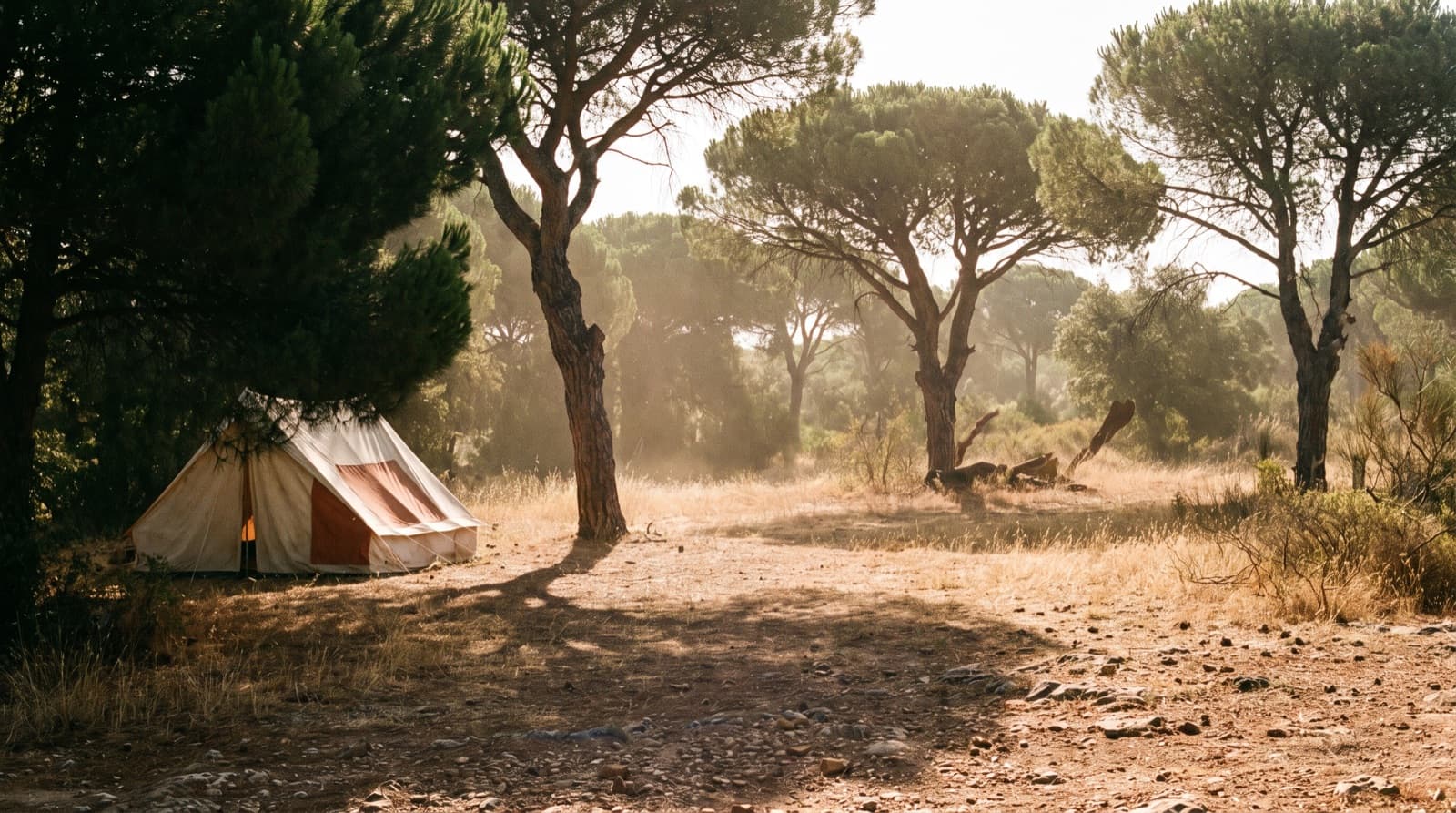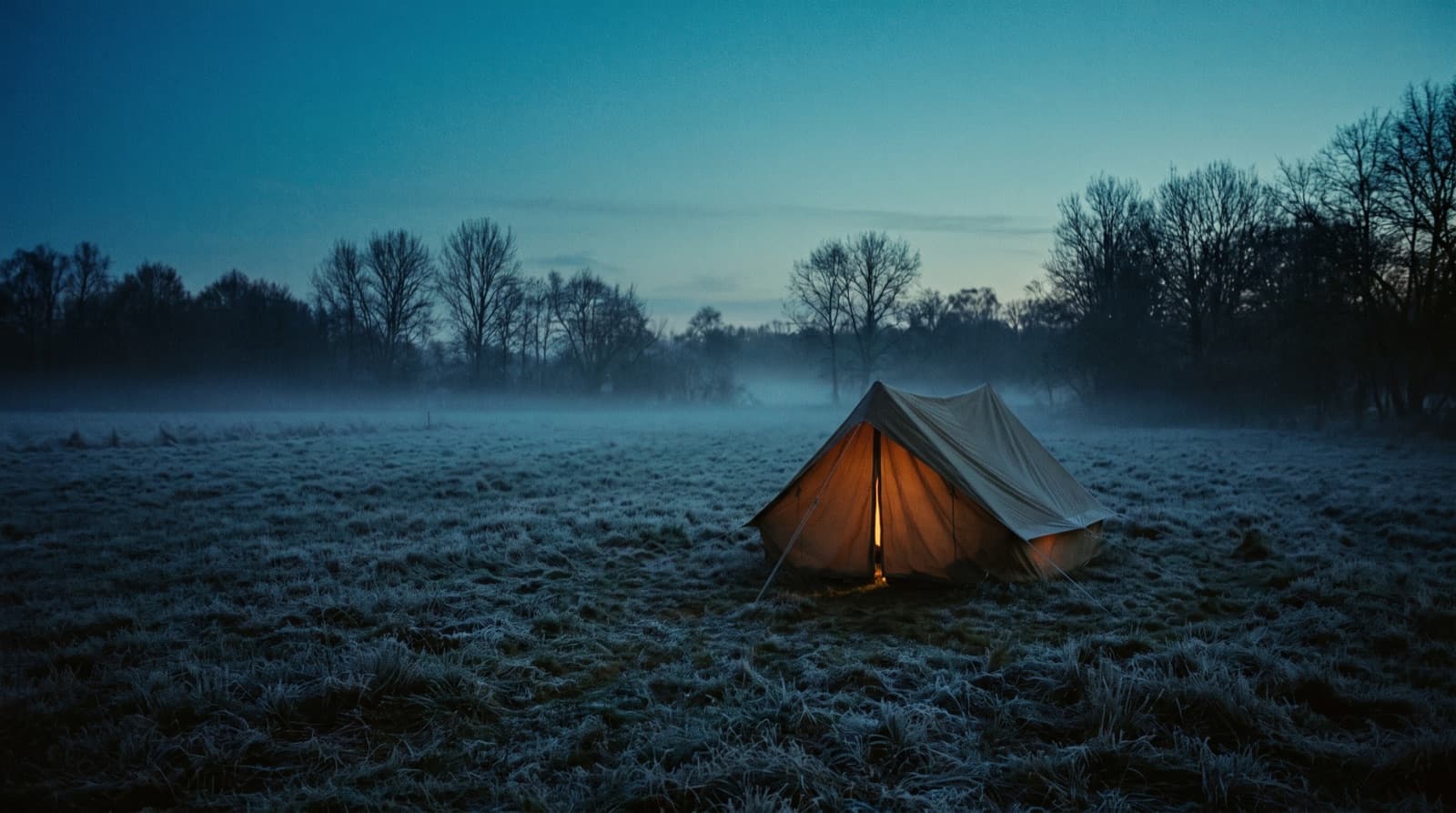
Most British outdoor accommodation is priced and marketed for a fourteen-week summer. That leaves a long, cheap, empty off-season for anywhere built to handle it — and a lot of padlocked gates for anywhere that was not.
The ones built for it
Eagle Brae is the clearest case. Hand-carved cedar, wood-burning stoves, hydro and biomass power, and a Highland hillside that looks considerably more dramatic under snow than under drizzle. September and October bring the stags and the autumn colour; by December you have the glen to yourself.
Log House Holidays runs year-round and is arguably better for it — a wood-fired hot tub and a sauna are pleasant in July and genuinely transformative in February, when the lake is doing something interesting with the light and nobody else is on it.
Finn Lough is the one to book specifically for winter. The whole proposition is stargazing through a transparent dome, and Northern Ireland in August does not get dark enough to deliver it. Autumn and winter give you the clearest skies of the year.
Chewton Glen is year-round in the way that only a five-star hotel estate can be: the spa, the restaurants and the breakfast hatch do not care what the weather is doing.
The ones that are shut
Roughly half the campsites. Troytown is May–September and the boats largely stop anyway. Barn Farm, Graig Wen and Comrie Croft all run summer seasons. Check before you plan anything.
Great Langdale is the notable exception — a near-year-round season, campfires allowed, and a pub two minutes away, which is the correct configuration for a wet February in the Lakes.
What actually changes
Prices soften, though less than you would hope at the top end. Availability transforms: places that need six months' notice in July can often be had a fortnight out in January. And the character of the visit changes completely — these are landscapes that were never really designed around sunshine.